Tiếng Việt
Ophthalmology & Pediatrics Knowledge, Ophthalmology & Pediatrics Knowledge
Dry Eye: Causes, Symptoms, and Ways to Relieve Discomfort
Although dry eye is not an immediately dangerous condition, it is an increasingly common eye health problem that can significantly affect quality of life. For many people, the eyes are considered the windows to the soul, allowing us to see, experience, and understand the world around us. However, when the eyes no longer have enough moisture, dryness and irritation develop, making everything appear less clear and more difficult to focus on.
Dry eye is a common condition that occurs when the eyes do not produce enough tears to maintain adequate moisture, or when the tears do not function properly. It affects millions of people every year and can cause persistent discomfort that directly impacts daily life. In more severe cases, dry eye may even lead to vision problems.
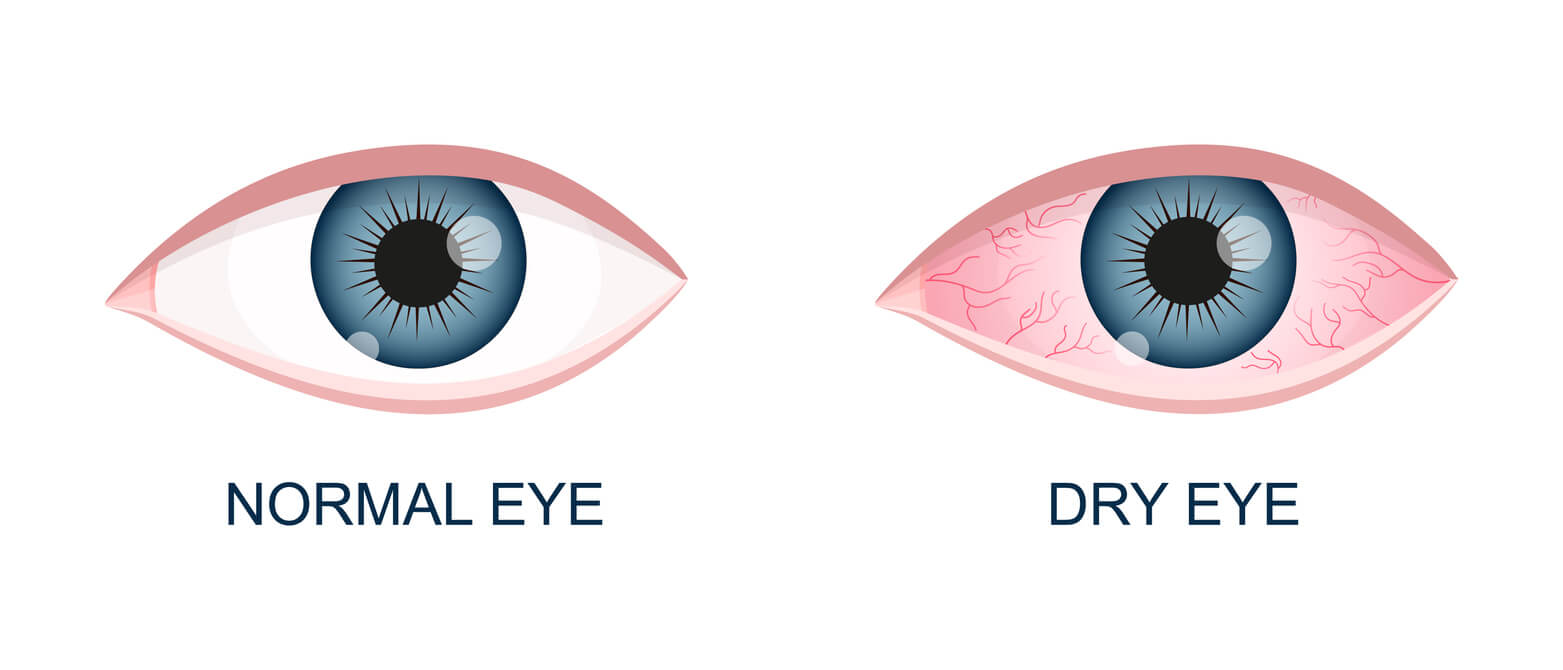
Symptoms of Dry Eye
Dry eye can present with a variety of symptoms that interfere with daily activities and reduce comfort. Common symptoms include:
-
A gritty sensation: Many people feel as if there is sand or a foreign object in the eye, even though nothing is actually there.
-
Burning or stinging: The eyes may become irritated, itchy, and uncomfortable.
-
Red eyes: The white part of the eye may appear red because the blood vessels become enlarged due to insufficient moisture.
-
Light sensitivity: Bright lights or glare may cause discomfort, pain, and difficulty maintaining focus.
-
Blurred vision: A lack of sufficient tears can make vision appear blurry, especially when looking at objects up close.
Who Is at Risk of Dry Eye?
Dry eye can affect anyone, but certain factors increase the risk of developing the condition. People at higher risk include:
-
Adults over the age of 50: As we age, the tear glands tend to become less active, reducing tear production.
-
Women: Hormonal changes, particularly after menopause, make women more likely to develop dry eye.
-
Contact lens wearers: Contact lenses may interfere with the eye’s natural tear film, increasing the risk of dryness.
-
People with vitamin A or omega-3 fatty acid deficiency: These nutrients play an important role in maintaining healthy tear production and eye moisture.
-
People with autoimmune diseases: Conditions such as lupus and Sjögren’s syndrome can affect tear production and lead to dry eye.
Causes of Dry Eye
Dry eye can result from a variety of causes. A stable tear film is essential to keep the eyes moist and protect the surface of the eye. Common causes include:
-
Reduced tear production: The tear glands do not produce enough tears to keep the eyes properly lubricated.
-
Excessive tear evaporation: Tears evaporate too quickly, preventing the eyes from staying adequately moist.
-
Poor tear quality: Tears may lack essential components such as oils or mucin, making them less effective at protecting and lubricating the eye.
How Do Doctors Diagnose Dry Eye?
To diagnose dry eye, an eye care professional will perform a comprehensive eye examination. The examination is generally simple and painless. Eye drops may be used to dilate the pupils, allowing the doctor to examine the eyes more closely and identify signs of dry eye.
Additional tests may include measuring tear production and using special tear test strips to evaluate the severity of the condition. Based on the results, the doctor can recommend the most appropriate treatment plan.
Treatment for Dry Eye
Although dry eye is a common condition, there are many effective ways to manage its symptoms.
Artificial tears are one of the most effective treatment options, helping to restore moisture and relieve discomfort. Other approaches, such as adjusting the surrounding environment, using a humidifier, or taking prescribed medications, can also help control the condition. In more severe cases, doctors may recommend advanced treatments, including procedures that target the tear glands or surgical intervention.
Fortunately, dry eye is a manageable condition. Early recognition of symptoms and timely medical care are essential for preventing complications. Modern treatments can effectively relieve symptoms and restore comfort. Using artificial tears, reducing prolonged screen time, improving indoor humidity, taking prescribed medications, and, when necessary, undergoing surgical treatment can all provide significant benefits.
Protect Your Eye Health
Dry eye should never be ignored. Our eyes are among our most valuable senses, allowing us to see the world and connect with the people around us. When our eyes are uncomfortable, everyday life becomes more challenging.